The 2 A.M. Phone Tree: Rural Alaska's Volunteer Emergency System Is Running Out of Names

Photo by Photo by Priya Mehta on Unsplash on Unsplash
When a call goes out at two in the morning in much of rural Alaska, nothing dramatic happens in a dispatch center. A tone drops on a pager, then another, then a phone rings in a house where someone is already asleep. The system that answers depends entirely on whether enough people wake up.
That phone tree — neighbor calling neighbor, chief calling roster — is the actual emergency medical infrastructure of a large share of the state. It works far more often than it should, given the strain it is under. It is also thinning, year by year, in ways that are easy to measure and hard to fix.
A Roster With More Holes Than Names
Volunteer fire departments and emergency medical services are the norm, not the exception, across Alaska's small communities. Many departments carry rosters of a dozen or fewer active members; some struggle to field a crew for a single structure fire. The national trend toward volunteer attrition is well documented, but Alaska's version has its own shape: a small labor pool, a seasonal economy that pulls residents away for weeks at a time, and distances that make mutual aid a theoretical comfort rather than a practical one.
The average age of volunteers has been climbing for years. Departments that once filled rosters with parents in their thirties now rely heavily on residents in their fifties and sixties. When those members step back — for retirement, for health, for a move south — there is often no one behind them.
The Training Trap
The regulatory bar has risen, and for defensible reasons. Modern emergency medical certification requires classroom hours, clinical rotations, continuing education and recertification cycles. A volunteer who wants to run as an EMT may spend hundreds of hours earning and maintaining a credential, all unpaid, while working a full-time job and, in many households, running a boat or a small business on the side.
This is the quiet arithmetic of the crisis. Every additional training requirement is a reasonable safety measure in isolation and one more reason for a tired forty-eight-year-old to hang up the pager. Departments report that recruitment is not the hardest problem — retention is. People sign up. They do not stay.
When the Nearest Ambulance Is a Medevac
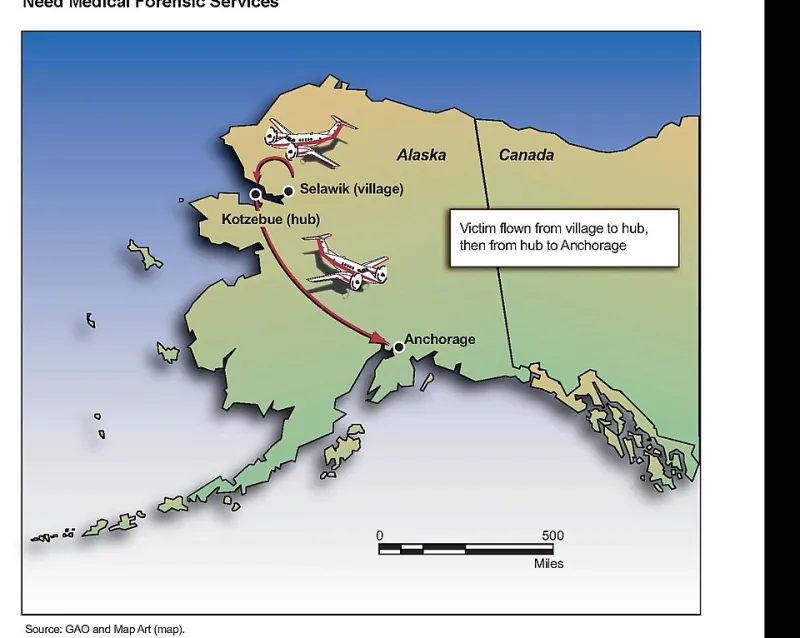
Response times in remote Alaska are not measured in minutes. They are measured in the interval between a call and the arrival of a boat, a snowmachine or an aircraft. In communities without a clinic or a resident clinician, the volunteer crew is the entire first tier of care: stabilization, transport to an airstrip, coordination with a medevac service that may be hours away and weather-dependent.
That places an extraordinary burden on people with modest training and no compensation. It also creates a fragility that residents understand intuitively. A village with three active EMS volunteers is one illness or one job transfer away from having none.
What Rebuilding Actually Costs
Policy conversations about emergency services in Alaska tend to collapse into a single question — how much would it cost to pay people — when the more useful question is what a sustainable system would look like at different scales.
Several models are already in limited use. Paid-on-call stipends, modest per-shift payments that compensate volunteers for time without converting them into career staff, have improved retention where they have been tried. Regional service areas can pool training, equipment purchasing and liability coverage across several communities, reducing the administrative weight that crushes small departments. Community paramedicine programs, in which trained responders conduct home visits and chronic-care checks between emergencies, address demand rather than just supply.
The state's role is largely one of funding and standards. Grant programs for equipment and training exist but are chronically oversubscribed. Tuition support for certification, reciprocity arrangements that let trained responders move between communities without repeating coursework, and liability protections for volunteer agencies all sit within reach of the legislature.
The Tragedy Test
Alaska has a habit of reforming systems after a failure rather than before one. The risk in rural emergency services is that the triggering event will be a house fire with no crew available, or a patient who waits too long for a ride that never comes.
The men and women who answer these calls are not asking for much. They are asking for training that does not consume their lives, equipment that works, and the reasonable expectation that when their pager sounds at two in the morning, someone else will also be getting out of bed.
Building that expectation back is not a matter of sentiment. It is a budget line, a staffing model and a state policy choice — and it is one Alaska can still make on its own terms.