When the Shelves Go Bare: Life After the Only Store Closes
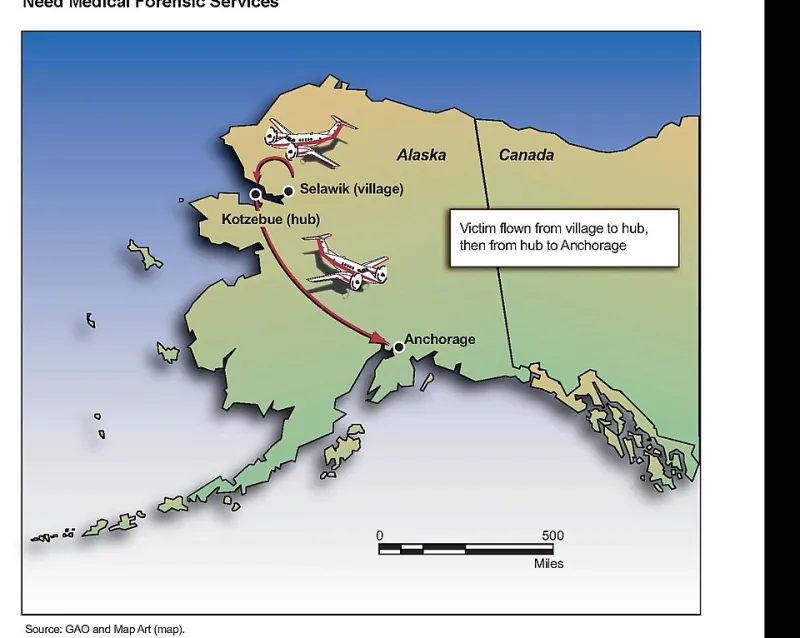
Photo: U.S. Government Accountability Office from Washington, DC, United States, Public domain, via Wikimedia Commons
A Quiet Closure With Loud Consequences
In most of America, the loss of a grocery store is an inconvenience—a reason to drive an extra twenty minutes. In a fly-in Alaska village, it is something closer to a slow-moving emergency. When the sole store in a community of a few hundred residents shut its doors, the price of a gallon of milk immediately became a subject of public conversation, and the question turned from where to shop to whether to eat.
Consider the arithmetic. A pound of butter that costs $5 in Anchorage can run $12 or more once barge and air freight are factored in. When there is no local retailer to aggregate orders and absorb some logistics cost, residents must either charter or share freight on personal orders, buy in bulk months in advance, or do without. For families already stretched by heating fuel and gasoline prices, the closure of the store converts a tight budget into an impossible one.
The Ripple Nobody Prices
The obvious effects—higher food costs, longer absences from paid work to travel for provisions—are only the beginning. The subtler consequences arrive over months.
Subsistence harvest pressure rises, sometimes beyond what fish and game populations can sustainably bear. Elders on fixed incomes, who cannot haul a skiff or run a hunting camp, lean harder on relatives already providing for their own households. Community gatherings lose their caterer; the store's closure often means the end of the informal commerce that made village events possible.
And there is a psychological weight that is hard to quantify but easy to describe: the sense that the community is being marked, store by store and service by service, as a place the market has decided to leave.
Why Stores Fail in the Bush
The reasons are rarely mysterious. Thin margins, high freight costs, unreliable supply chains, and the difficulty of finding a manager willing to live somewhere with limited housing all conspire against profitability. A single bad barge season—a late ice breakup, a low river—can erase a year's earnings. Insurance and liability costs climb. When the owner retires or the parent company consolidates, the store often simply does not reopen.
None of this is unique to Alaska. Rural grocers across the Great Plains and the Appalachian interior are closing for the same structural reasons. What is unique is the absence of alternatives: no road, no neighboring town, no thirty-minute drive to a competitor.
Can Cooperation Succeed Where Commerce Didn't?
Several models deserve serious attention in Juneau and in Washington.
Community cooperatives. Co-ops from the Hooper Bay area to rural Minnesota demonstrate that resident ownership can stabilize a store by aligning its incentives with the community rather than with distant shareholders. Members contribute modest equity, elect a board, and accept that the goal is breaking even, not maximizing profit. Federal programs through USDA Rural Development can supply technical assistance and startup capital.
Municipal or tribal ownership. Some villages have explored city-run or tribal-entity stores, treating food access the way they treat water and sewer—as a public utility. This raises legitimate questions about the government competing with private enterprise, but in a market that has already failed, the question answers itself.
Subsidized freight. Alaska already subsidizes energy and mail in the Bush through the Power Cost Equalization program and the bypass mail system. A modest freight subsidy for staple foods would be a rational extension of existing policy, and cheaper than the health consequences of food insecurity.
What the State Owes Its Smallest Communities
Alaska's constitution obligates the state to provide for the common welfare of all its residents—not merely those who live along the road system. Food security in the Bush is a governance issue as much as an economic one. A child in a village without a store has, in practical terms, less access to nutrition than a child in any American city, and no policy choice made that so.
The state legislature should commission a full accounting of how many communities currently lack a functioning grocery retailer, and treat that list the way it treats deficient bridges: as infrastructure in need of repair.
The alternative is to keep reading about closures and expressing regret. Regret does not stock shelves.