The Keepers of Memory: Inside Alaska's Race to Save Its Own Story
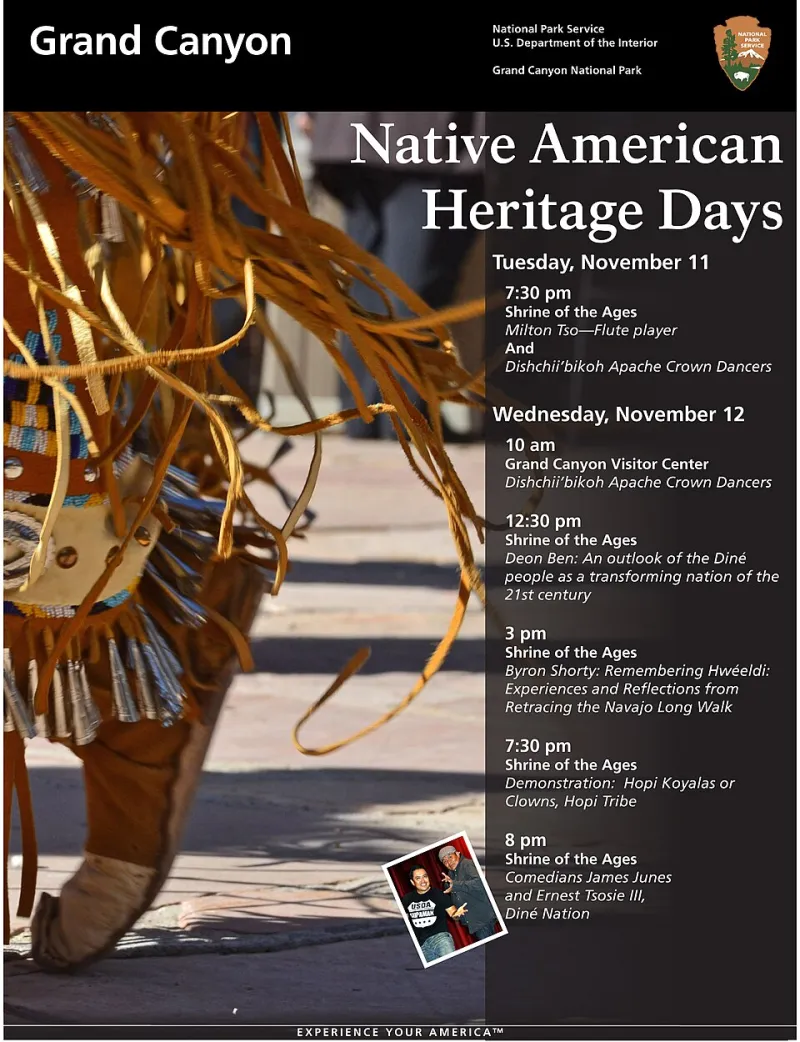
Photo: Grand Canyon National Park, Public domain, via Wikimedia Commons
A Deadline No One Chose
Every language preservation effort in Alaska runs against the same arithmetic: the fluent first-language speakers of most Alaska Native languages are elderly, and their numbers decline every year. This is not a metaphor. It is a demographic fact that gives museums, cultural centers, and immersion schools a deadline no one chose.
Yet walk into any of Alaska's cultural institutions—from the Alaska Native Heritage Center in Anchorage to the regional centers of the Sealaska Heritage Institute in Juneau or the Ilakucurvik facilities serving the Yukon-Kuskokwim Delta—and you will find something that surprises first-time visitors: urgency, yes, but also confidence. This is not a story about loss. It is a story about a determined, organized effort to decide what survives.
Bringing the Ancestors Home
Few undertakings carry more moral weight than repatriation. Under federal law—principally the Native American Graves Protection and Repatriation Act—museums across the country have been required to inventory Native American and Alaska Native belongings and return them on request.
The work is painstaking. Objects collected a century ago arrived without context; identifying them requires archival research, consultation with elders, and sometimes difficult conversations within communities about proper care. When ancestral remains and ceremonial objects return home, they are received with ceremonies that are, in every sense, acts of repair. The institutions doing this work often operate on shoestring budgets, relying on grants and donations to fund travel, consultation, and reburial logistics that federal mandates require but do not always fund.
The Classrooms Where Time Is the Enemy
Language immersion has become the most visible front of the preservation effort. Programs in Yup'ik, Iñupiaq, Tlingit, and other languages now operate from preschool through early elementary grades in several districts, and the results are measurable: children who enter at three and five are conversational by eight.
But the model depends on fluent adults—teachers, teaching aides, elders who volunteer hours in the classroom. As the eldest generation of speakers passes, the pipeline narrows. Master-apprentice programs, in which a learner spends hundreds of hours in intensive immersion with an elder, are a stopgap with real promise, and they require funding precisely because they take time—the one resource the effort does not have in abundance.
What Support Actually Looks Like
Alaskans First would argue that heritage preservation deserves to be treated as core public infrastructure, on par with roads and broadband, for three reasons.
First, it is economic. Cultural tourism, Native art markets, and language-related employment are real industries in Alaska's regional economies.
Second, it is educational. Students in culture-based programs show stronger engagement and attendance—outcomes the state spends heavily to pursue through other means.
Third, it is constitutional in spirit. The state's relationship with Alaska Native peoples is foundational, and a state that funds the preservation of the languages and arts at the center of that relationship is simply honoring its own history.
Practically, that means stable state funding for regional cultural centers rather than year-to-year grants; dedicated federal support for language apprenticeships; and philanthropic partnerships that fund endowments, not just projects.
The Next Generation Is Already Here
The most encouraging development is generational. Young Alaska Native artists, archivists, linguists, and digital media creators are documenting songs, digitizing recordings, and building apps for language learners. They are not waiting to be saved; they are doing the saving.
What they need from the rest of us is not sentiment. It is funding, institutional respect, and the patience to understand that a museum, a language class, and a repatriation ceremony are all the same project: keeping Alaska's story in Alaska's hands.