The Quiet Thrones: Ranking Alaska's Unelected Power Brokers
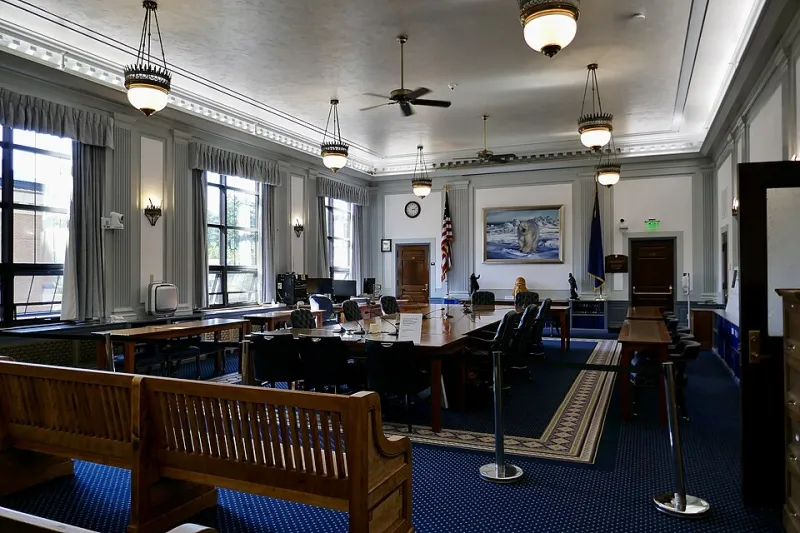
Photo: Ifly6, CC BY-SA 4.0, via Wikimedia Commons
Alaskans like to believe they live in the most transparent, most participatory state in the country—town meetings, open caucuses, a legislature that takes public testimony until midnight. But spend enough time around the budget process or a fishery collapse, and a different picture emerges. The decisions that shape daily life in the Last Frontier are frequently made by people whose names appear on no ballot.
This is not an accusation of impropriety. It is a description of how a vast, decentralized state actually functions. Below, our ranking of the unelected figures with the greatest sway over Alaskan lives—weighted by reach, discretion, and how hard it is to hold them accountable.
1. The Commissioner of Transportation and Public Facilities
No single appointee controls more of Alaskans' physical existence. Ferries, airports, ice roads, the Glenn and Richardson highways—when this office defers maintenance or shifts funding, coastal communities lose their lifeline and Interior freight costs climb. The position's discretion over project prioritization rivals the legislature's.
2. The Commissioner of Fish and Game
Allocation is the most explosive word in Alaska politics, and this appointee sits at its center. Bag limits, opening dates, and emergency orders determine whether a commercial season happens, whether a subsistence family fills a freezer, whether a sport-fishing lodge keeps its bookings. Every decision creates winners and losers with surgical precision.
3. The Executive Director of the Alaska Permanent Fund Corporation
This person manages a portfolio measured in the tens of billions—the engine behind the dividend and, increasingly, a large share of state revenue. Investment strategy here quietly shapes every future budget debate.
4. The Port Director of Anchorage
Roughly 90 percent of the state's retail goods pass through a single harbor. Dredging schedules, dock reconstruction, and tariff negotiations at the Port of Alaska ripple into grocery prices in Bethel and Nome. It is perhaps the most consequential municipal job in America that nobody outside the state can name.
5. The Federal Regional Fishery Manager (NOAA, Alaska Region)
Technically a federal figure, but no list of Alaskan power is honest without them. Catch shares, bycatch limits, and observer requirements set in Juneau's federal offices govern the industry that supplies more of the state's private-sector economy than any other.
6. The Director of the Alaska Housing Finance Corporation
Housing is the state's most acute affordability crisis, and AHFC controls the levers: lending programs, senior housing developments, weatherization grants. Its priorities determine whether essential workers in Juneau or Fairbanks can afford to stay.
7. The Chief of the Alaska State Troopers / Director of Public Safety
In a state where most communities have no local police, trooper post locations and response protocols are, in effect, the criminal justice map of rural Alaska.
8. The Consortium CEO Overseeing Rural Health
Alaska's tribal health system—administered through regional nonprofit consortiums—delivers care that state and federal systems cannot. The executives who run these organizations decide clinic staffing, medevac contracts, and telehealth expansion for hundreds of villages.
9. The President of the University of Alaska
With campuses in Fairbanks, Anchorage, and Juneau, and a budget that has survived repeated near-death legislative experiences, this office shapes whether Alaska keeps its own engineers, nurses, and teachers—or imports them at higher cost.
10. The Longest-Serving Bush Tribal Administrator
Here we honor a category rather than an individual. In villages across Western and Northern Alaska, the tribal council administrator controls housing allocations, employment, and the interface with state and federal agencies. Ask anyone in the Bush where the real decisions get made; they will name this person long before they name a legislator.
The Takeaway
None of this is inherently troubling—expertise and continuity are assets in a state that cannot afford constant turnover. But accountability is a two-way street. Alaskans deserve to know who holds the quiet thrones, and the people sitting on them deserve scrutiny commensurate with their power. Consider this list a starting point for the conversation.